
This page contains affiliate links. We may earn a commission on purchases, at no extra cost to you.
The shortest possible answer
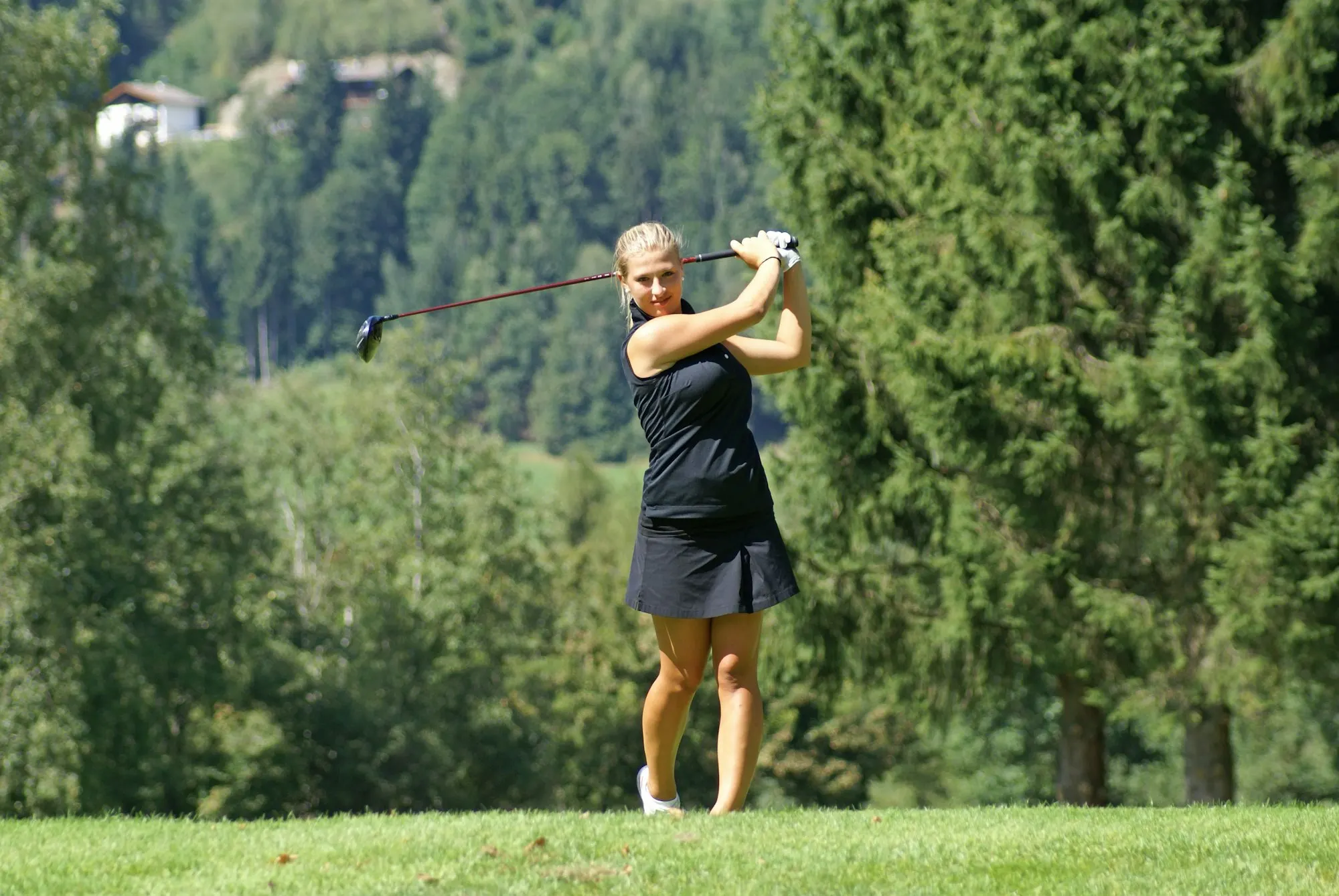
A collared polo or sleeveless mock, a skort or shorts with proper inner shorts, a single glove on your non-dominant hand, golf-specific shoes (spikeless is fine), and a hat or visor. That is it. Anything extra is style; nothing extra is rule.
The polo
Most courses require a collar. Performance-knit polos in pima cotton, recycled poly, or merino-blend all work; pick the fabric that breathes in the temperature you usually play. A sleeveless mock-neck satisfies the collar rule and is cooler on hot days.
Browse polos and sleeveless tops.
The bottom half
Skort, skirt, or tailored trouser: your call. Skorts are the easiest because they have built-in shorts and grip-strip waistbands so nothing rides up on the swing. Look for a length you would wear to a club lunch (most courses prefer this).
Browse skirts & skorts and trousers.
The glove (yes, just one)
One glove on your non-dominant hand (left glove for right-handed players). Cabretta leather is the soft-feel premium; synthetic gloves last longer. Either is fine; pick on grip feel.
Browse gloves.
The shoes
Soft-spike or spikeless. Spikeless looks tidier off-course (range → restaurant) and is more comfortable on flat ground; soft-spike grips better on wet slopes. For your first set, spikeless is the easier choice.
Browse footwear.
Layers + accessories you probably need
A merino quarter-zip or a wind shell for the cold morning tee-times; a visor or cap for sun; sunscreen; a small tote for the snacks and the water and the spare ball. The wind shell is more important than people realise once you have actually played a windy par-four.
Browse layers, outerwear, headwear and bags.
Dress codes: what clubs usually ask
Every club sets its own dress code and most publish it on their website. The common ground: a collar or mock neck on top, tailored shorts, a skort or trousers below, and golf shoes. Denim, gym leggings worn on their own and beachwear are the usual exceptions. Driving ranges and public courses tend to be more relaxed than private clubs. If you are unsure, call the pro shop before you go: it is a normal question and they hear it every week.
Dressing for the weather on the day
Eighteen holes take about four hours, and the weather rarely stays the same for that long. Check the forecast the evening before and dress for the coolest part of the round, with layers you can take off. A thin mid layer over your polo covers a cool start, a wind shell covers an exposed back nine, and a waterproof jacket belongs in the bag whenever rain is possible. Our layering guide explains what to wear at which temperature.
On bright days a cap or visor and sunscreen matter more than any piece of clothing. You are outside for hours with very little shade.
A checklist for the night before
- Polo or sleeveless top with a collar or mock neck
- Skort, skirt, shorts or trousers that let you bend and turn
- Golf shoes and a spare pair of socks
- One glove, plus a spare if rain is forecast
- A mid layer and a wind or rain jacket
- Cap or visor, sunscreen, water and something to eat
Once the basics feel right, the capsule wardrobe guide shows how to turn them into a small set of outfits that all work together.
What you really don’t need (yet)
A full bag of clubs (most courses rent), a rangefinder (look at the yardage markers), an outfit per round (two rotating polos is plenty), or any branded apparel. Comfort and the dress code is the bar; style develops with time.